
Why Deep Cleaning Your Washing Machine Is Important
Most people assume that because a washing machine is constantly cleaning clothes with water and detergent, it stays clean on its own. In reality, washing machines accumulate dirt, detergent residue, fabric fibers, hard water deposits, bacteria, mold, and fungus over time. These contaminants build up in hidden areas of the machine and can affect both its performance and hygiene.
Regular deep cleaning is one of the most effective ways to maintain your washing machine, improve washing efficiency, and prevent costly repairs. Whether you own a front-load, top-load, semi-automatic, or fully automatic washing machine, periodic deep cleaning can significantly extend its lifespan and ensure your clothes come out fresh and clean after every wash.
Understanding What Happens Inside a Washing Machine
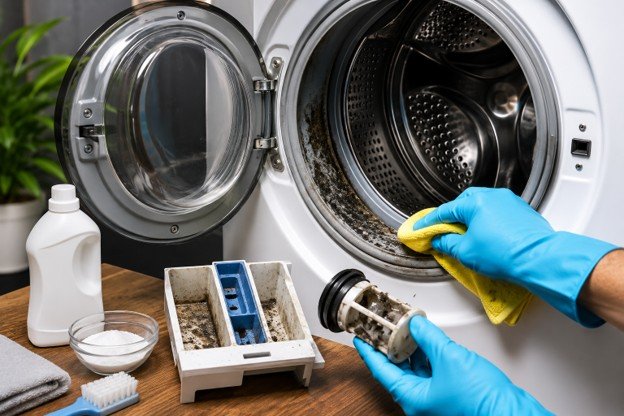
During every wash cycle, detergent, dirt, lint, body oils, and mineral deposits from water pass through various components of the machine. While some of these are flushed out, a considerable amount remains trapped in areas that are not visible from the outside.
Common areas where dirt and residue accumulate include:
- Inner and outer drum
- Tub assembly
- Drain filter
- Drain hose
- Detergent dispenser tray
- Door gasket and rubber seals
- Water inlet filters
- Pump housing
Over time, these deposits create an ideal environment for bacterial growth, mold formation, and unpleasant odors.
Signs Your Washing Machine Needs Deep Cleaning
Unpleasant Odors
If your washing machine emits a musty or foul smell, it is often caused by mold, mildew, detergent residue, or stagnant water trapped inside the machine.
Clothes Smell Bad After Washing
When the machine itself is dirty, freshly washed clothes may not smell clean even after using detergent and fabric softener.
Black Spots or Mold Around the Door Seal
Front-load washing machines are especially prone to mold growth around rubber door gaskets where moisture gets trapped.
Poor Washing Performance
A machine with accumulated dirt and residue may struggle to clean clothes effectively.
Drainage Problems
Blocked filters and drain lines can slow down water drainage and cause water retention inside the machine.
Excessive Foam Formation
Detergent buildup can lead to excessive suds during wash cycles and affect machine performance.
Benefits of Deep Cleaning Your Washing Machine
1. Improves Hygiene and Cleanliness
One of the primary reasons for deep cleaning is hygiene. Washing machines operate in a warm and moist environment, which is ideal for bacteria and fungus growth.
Regular deep cleaning helps remove:
- Bacteria
- Mold
- Mildew
- Fungal growth
- Dirt deposits
- Organic residue
This ensures your clothes are washed in a cleaner environment and reduces the risk of unpleasant odors transferring to fabrics.
2. Eliminates Bad Odors
One of the most common complaints from washing machine owners is persistent bad smells.
- Mold growth
- Detergent buildup
- Stagnant water
- Accumulated dirt
Professional deep cleaning targets hidden areas where odors originate and restores freshness to the machine.
3. Enhances Washing Performance
- Better detergent distribution
- Improved water circulation
- More effective stain removal
- Cleaner and fresher clothes
4. Prevents Drainage Issues
- Clear blockages
- Improve water flow
- Prevent water retention
- Reduce strain on the drain pump
5. Extends the Life of Your Washing Machine
- Motor
- Drain pump
- Bearings
- Drum assembly
- Inlet valves
- Electronic systems
By preventing excessive strain on these parts, regular cleaning can extend the operational life of the machine.
6. Reduces Repair Costs
- Blocked filters can damage pumps
- Excess moisture can affect electronic components
- Fungus buildup can deteriorate rubber seals
Routine deep cleaning helps identify and resolve potential issues before they become expensive repairs.
7. Improves Energy Efficiency
- Water flows more efficiently
- The motor operates smoothly
- Wash cycles complete effectively
This can contribute to lower electricity and water consumption over time.
Front Load Washing Machines Need Extra Attention
Front-load washing machines are highly efficient but are particularly vulnerable to mold and mildew buildup because their doors create a tighter seal.
- Door gasket
- Detergent drawer
- Drain filter
- Inner drum
Without periodic deep cleaning, moisture trapped in these areas can lead to unpleasant odors and fungal growth.
How Often Should a Washing Machine Be Deep Cleaned?
For Regular Household Use
- Every 6 months is generally recommended.
For Heavy Usage
- Every 3 to 4 months is ideal.
For Commercial or Frequent Use
- More frequent inspections and cleaning may be required.
Homes with hard water conditions may also require more frequent maintenance because mineral deposits accumulate faster.
Professional Deep Cleaning vs DIY Cleaning
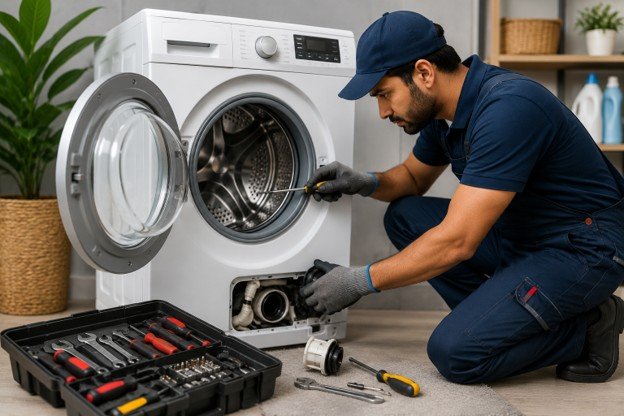
While homeowners can perform basic cleaning tasks such as wiping the drum and cleaning the detergent tray, professional deep cleaning provides a much more thorough solution.
Professional service typically includes:
- Complete drum cleaning
- Tub cleaning
- Fungus and mold removal
- Filter cleaning
- Drain system inspection
- Internal dirt removal
- Performance assessment
Conclusion
Deep cleaning is an essential part of washing machine maintenance that many homeowners overlook. Over time, detergent residue, dirt, lint, mold, bacteria, and mineral deposits accumulate inside the machine, affecting performance, hygiene, and efficiency.
Regular deep cleaning helps eliminate odors, improve washing quality, prevent drainage issues, reduce repair costs, and extend the lifespan of your appliance.
If your washing machine has started producing unpleasant odors, showing signs of reduced performance, or has not been cleaned in a long time, scheduling a professional deep cleaning service can help restore it to optimal condition.